Demystifying and empowering COPs

We all have concerns about the current weather patterns resulting in increasing incidents of flooding and drought and many of us glibly put them down to “Climate Change”,  now a catch-all phrase for all our environmental woes.  Although our worries have intensified in the last 20 or so years, the international scientific community detected the signs long before and brought it to the attention of the United Nations.  As a result, the Conference of the Parties, aka COP was established by the United Nations (UN)  as a decision making body for monitoring and reviewing the implementation of the UN’s Framework Convention on Climate Change (UNFCCC).  Signatories to the Convention are called the “Parties” and these include almost every country in the world.  Currently there are 197 countries and territories that have signed the Convention, signaling the universal collective concern and commitment to play a role.   The COP simply put, is a meeting of  designated representatives of the Parties. At these meetings, issues determined to be important to addressing Climate Change are aired, and agreement made for mitigating and  adaptation  measures.  The first COP was held in Germany in 1995.  At each subsequent meeting, held annually, progress made towards previously agreed goals as well as  research results and innovations undertaken are shared.  .   This year the 27th meeting of the Parties  is being held, hence COP27.

Against the background of a pandemic,  supply chain disruptions, war and sky rocketing food insecurity, representatives meet in Egypt to discuss the progress and inter-relatedness of the current paradigm.  

Climate Reparation?

Now accepted as a glaring truth is the inequitable burden on countries with least contribution to climate change and also least ability to cope with its impact.  Jamaica, for example, being a small island developing state (SIDS) contributes little by way of Greenhouse gases (GHG) responsible for global warming, however our coastline is being eroded, and if the predictions of our local guru on Climate Change are near correct, by 2030 some of our towns may be no more.  Add insult to injury….we are expected to put in place measures agreed (internationally) to ensure that overall global warming does not exceed 1.5oC.  This, although irrespective of  how robust and well intentioned our efforts, the likelihood of moving the needle is questionable, especially compared with our highly industrialized neighbours in the north.  The situation is even more dire in other developing countries where the ability to respond to the impacts of Climate Change is stymied by hunger, severe drought, floods and disease. The question is – why should the burden be on us when our contribution to the problem is negligible?!   As reparation is the talk of the day, it may be appropriate to explore reparative action in relation to the net contributors of GHG.   The promised $100billion per year to help developing countries appear to be a noble step in the right direction, albeit sluggish.

Empowering the disenfranchised

One of the valuable features of the UN System is the opportunity to lobby with likeminded groups, both at the thematic level as well as the country or regional level.  Small Island Developing States for example share common threats related to rising sea level and extreme weather events.  Additionally, assuring food security in the face of  the impacts of Climate Change (drought, floods etc) is a shared challenge with developing countries worldwide.  The UNFCCC platform provides the avenue to not only commune over common dilemmas, but also to share successful strategies and innovations, and importantly to collectively leverage change in the dynamics to the benefit of the group.  Our livelihoods, borders and people are at risk so there is no time to lose.  There is no designated endpoint to the number of COPs.  Inherent in the system is bureaucracy which is inevitable with close to 200 countries involved.  It is therefore anticipated that our countries that feel unjustly served, will utilize the opportunity to collaborate, air concerns and be resolute in our expectations for equitable and fair treatment in light of this growing monster called Climate Change.
Power of love

Recently as I listened to the accolades by persons with whom I worked in one institution, it struck me that their recollection had nothing to do with the fact that I lead the transformation of the organization to a well known and regarded one, nor did it have anything to do with the first patent and ISO accreditation obtained under my leadership, neither was it about the strategic partnerships forged with the private sector ….NO! It was all about the way I made them feel. Yes! The key to success is to invest in people …everytime !

Eating the elephant …one bite at a time.

We are all feeling the pinch!  At the gas pumps, the supermarket, in our utility bills …you name it!   And the scenario is shaping up to get worse.  The psychological relief that came with the dismantling of the relevant Provisions under  2020 Disaster Risk Management Act was short-lived, as we quickly realized that we had to do massive adjustments in an attempt to regain our “Pre-COVID” way of life.   Even so, this target appears to be getting further and further away.  Our supply chains, and sadly, our food security,  continue to be impacted by the Russian onslaught on Ukraine, perennial thrashing of our countries due to global warming, flare up of old diseases, and emergence of new  ones.  To be food secure, all persons need to have both physical and economic access to sufficient, safe and nutritious food to meet their dietary needs and food preferences for an active and healthy life.  Attaining food security has always been a challenge for the less developed countries but this has become more than a bit overwhelming in recent years.  But tackle we must! The bedfellows of food insecurity include loss of productivity and under performance, heightened propensity for crime & social unrest, and the increased incidence of diseases (especially non-communicable diseases).

Food Insecurity

The data is in.  Food Insecurity is at an all time high.  As a matter of fact, Food Insecurity in Jamaica post-COVID, has almost doubled the 2020 projections made (for Jamaica) by the United States Department of Agriculture Economic Research Service (USDA ERS).   The experts have indicated that the drivers of food insecurity include rising demand for food, climate change, natural resource availability, a lack of public and private investment in infrastructure, and research and development in the agricultural sector.  These are all areas which resonate for us.

Eating the elephant

One can consider the proverbial elephant as Food Insecurity.  The challenge is how to make meaningful progress in reducing food insecurity in the face of external factors that just keep coming at us.  Experience has provided some valuable insights to bear in mind.  We therefore understand that enabling policies and regulations are required to set the framework for implementing actions on the ground.  Additionally, inter-ministerial engagement from the get-go assures mutual benefits to all concerned.  Finally, as with any complex problem, breaking it down into discrete manageable parts often provide a path to its solution.  Access to nutritious food is  one prerequisite of Food Security.   Alert! Access goes far beyond physical or even economic access.   Access also involves having the knowledge to make sound decisions regarding the food we eat.   This presents an excellent opportunity to focus our attention, considering that unhealthy diets and the resulting malnutrition are major drivers of noncommunicable diseases (NCDs) around the world. Initiatives designed to improve access to nutritious food can therefore provide a multiplier effect, far beyond food insecurity.

NCDs                 

World Health Organization’s pronouncement that over 70% of deaths globally are due to Non Communicable Diseases (NCDs), is shocking, and even more disturbing is that over one third of deaths from NCDs occurs in the most productive group of our populations (Age 30 – 69).  The majority of us either know someone, or are ourselves suffering from a NCD – Hypertension and Diabetes being the common culprits.  The 2021 Global Nutrition Report indicates that Jamaica is lagging in achieving diet related NCD & obesity targets.  It is bad enough that almost 37% of Jamaican women are obese, but what is of even more concern is the increasing incidence of obesity in children and adolescents 5 years old to 19 years old (up from 5% in 2000 to 15% in 2019!).   While you think of the implications of this, note that a 2021 study conducted locally indicated that 80% of persons between the ages of 12 and 71 gained weight since COVID (Unfortunately…many of us can corroborate this from firsthand knowledge).   Since unhealthy diets have been shown to be linked to the incidence of NCDs, interventions being considered would necessarily have to focus on what we eat as consumers.  Any gains made in this area stand to trigger will likely catalyze a cascading effect, thereby improving our health, productivity and ultimately our food security.

Heart Foundation taking one bite

That is why credit should go to the Heart Foundation of Jamaica that has been strident in their call for Front of Package Labelling (FOP Labelling).   Executive Director Deborah Chen is the new “Rock Star” as far as I am concerned.  She and her team have prepared essential information in manageable bite-size pieces, explaining, and rationalizing the urgency of FOP labelling.  Such an initiative will not only improve public awareness of the content of packaged food being purchased and consumed but will also arm us with the information that will help us make the right decision as individuals.  Of course, a hidden message encourages consumers to eat more fresh foods.  The mantra “Eat what you grow and grow what you eat” has been around for decades, and hopefully with the significant public education campaign that is now underway, this message will be reinforced. The heightened mindfulness of the ills of salt, sugar, saturated fats and trans fats must be also reflected in our own food preparation practices in the home.  Yes, we have come full circle…right back to the consumer.  Marketers recognize that “Consumer is King”, and design marketing and promotional strategies for products and services with this reality.   The Front of Package Label is a small but key tool which reminds us that as consumers we wield the power of choice which can benefit our own health, wellness, and food security.  So – let’s use it!

Modern tools for mental health

Say the word “Psychedelics” and one quickly can distinguish the Baby Boomers from Gen X or Millennials in the room.  Baby Boomers think of a bright kaleidoscope of colours and patterns associated with indulgence in LSD…giving the word “trip” a new meaning.  They think of Flower Power.  Of Peace & Love.  Gen Xers on the … Continue reading “Modern tools for mental health”

Say the word “Psychedelics” and one quickly can distinguish the Baby Boomers from Gen X or Millennials in the room.  Baby Boomers think of a bright kaleidoscope of colours and patterns associated with indulgence in LSD…giving the word “trip” a new meaning.  They think of Flower Power.  Of Peace & Love.  Gen Xers on the other hand, may have heard about Psychedelics, but usually in the context of describing a dynamic mix of bright colours.   Afterall, the most well-known psychedelic compound – Lysergic acid Diethylamide (LSD) has been banned for many years.   Our Millennials and Generation Z’s are a different story.  They can relate to the world of psychedelics on various levels – including recreational, scientific, medical, and business opportunities.  Like the Cannabis playbook, the world of psychedelics has a diverse group of players – from Entrepreneurs, Natural Product Chemists, Biologists, Medics, Traditional Herbalists and Farmers to mental health professionals.  Big money – the common motive?  Most definitely!  But there is more.   

The Silent Pandemic

It is conceivable that it is the world’s current “pandemic”, (and here I speak not of the Corona virus, but of mental disorders) that has triggered intense and extensive research in the role of psychedelics in treatment and therapies.  The statistics are sobering.   In 2019, the National Alliance on Mental Health reported 1 in 5 persons suffering from some mental illness in the US, the same year when anecdotal figures in Jamaica were 1 in 3.  In Canada, acknowledged as one of the best countries in which to live, it has been estimated by the Centre for Addiction and Mental Health that one in five adult Canadians (21.3 percent) will suffer a mental disorder in their lives.  And the impact of COVID-19 has not yet been factored.  Mental illness certainly sounds like a silent pandemic to me.

The most talked about natural psychedelic these days is psilocybin (and related compound psilocin), both found in certain types of mushrooms.   These compounds are classified under the 1979 Controlled Substances Act as Schedule 1, which is a list of chemicals or substances that have no accepted medical use and have a high potential for abuse.  This classification is likely to change soon due to growing scientific data and results of clinical studies that support the efficacy of psychedelics such as psilocybin in the treatment of mental illnesses.   Furthermore, contrary to common belief, psychedelics are not addictive.

Optimism in the air

Interestingly, at present, only in a handful of countries (including Jamaica) are psilocybin containing mushrooms legal.  Unfortunately, in these countries, the attendant regulatory framework for governing their cultivation and use is not always in place.   Millions suffering from Post-Traumatic Stress Disorder (PTSD), anxiety, depression, cluster and migraine headaches, having exhausted many other medications and therapies, now eye naturally occurring psilocybin, such as in “magic mushrooms” for relief.  For them, relaxing the international classification of psychedelics like psilocybin, cannot come too soon. Fortunately, there have been some movements in this regard.  In Oregon, USA for example, psilocybin was made legal for medicinal use under Measure 109, as of November 4, 2020.  Last year Canada hit the headlines when Health Canada granted a legal exemption to its drug laws, known as a Section 56 exemption, to four terminal cancer patients, allowing them to use psilocybin-assisted psychotherapy to relieve their end-of-life anxiety and distress.  These latest developments were not spontaneous, but evidence based. With heightened research and clinical studies, the body of knowledge on the role of psychedelics in the treatment of a myriad of mental health illnesses will determine how fast other jurisdictions get on board.

While there is cautious optimism, there are also exciting prospects for impacting economic growth for some countries.  Diversification of the tourism product to include Health & Medical Tourism, for example, could see the production and marketing of legal psilocybin mushrooms & related products, as well as therapies, retreats and Clinical Trials.  For this to be realized, a fit-to-size regulatory framework is needed.  This may be the bottleneck, although one would hope that lessons learned from the cannabis journey would be instructive.  Eyes are on Jamaica, already somewhat of a tourism mecca.  Bets are on that she will not drop the ball!

Biotech – Boy, have we come a long way!

The twentieth century word “Biotechnology” was coined to depict the creation of useful products with the aid of living organisms.  So, for example, several of our prized foods such as bread, yoghurt, beer, fermented sausages result from the application of biotechnology.   Near the turn of the twenty first century this all changed.   Modern Biotechnology was equated with Genetically Modified Foods, known as GM Foods and GMOs (genetically modified organisms).   The saying “nature abhors a vacuum”  was evident as consumers were bombarded with information from non and quasi-scientists  about the “dark side” of GM foods.   The then silent Scientists were seen as the bad guys playing God and messing with nature.  After all, we were placing genes from unrelated species in food…albeit to improve resistance to drought or improve productivity.  Soon at the mention of GM Food, the man-in-the-street conjured images of food that was unnatural, aberrant, perverted in some way, with images of monsters, “science gone bad”….. Frankenfood.   By the way, Scientists should have gained invaluable lessons about double edged sword of communication.  Hopefully post graduate studies, scientific research programmes, and projects have since included training of scientists in the art and value of communication to the end-users of R& D products and services. I digress.

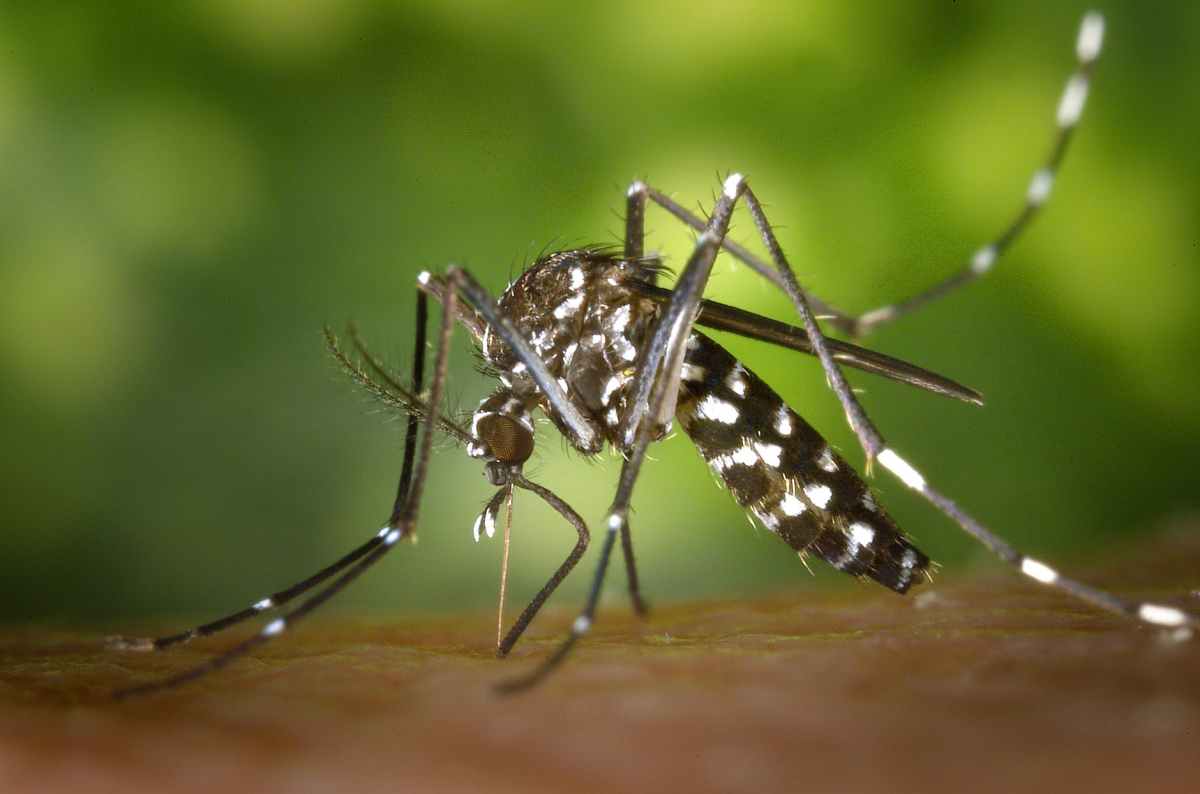
Almost every country in the world has signed the international protocol  guiding the safe transboundary movement, handling and use of commodities and foodstuff that have been subject to genetic modification.   The rules of the international protocol require countries to post information on the development of new GM Events, as well as indicate the transboundary movement (importation) of GM commodities, on a platform called the Clearing House Mechanism (CHM) for transparency.  Yes – countries such as Jamaica have access to this information!  Twenty years on, there should be a measure of reassurance in the fact that consumption of GM Foods has not been linked to widespread maladies.  Neither have we witnessed the massive fall-out anticipated as a result of the large industrialized countries implanting foreign genes in our food to make big bucks.  As a matter of fact, what we have seen is significant uptake of the tools provided by modern biotechnology by developing countries.  Who would have predicted that today developing countries would be the largest producers of GM commodities ?  Some 17 million farmers worldwide now grow GM Crops.  And we have certainly diversified from soya, corn, canola and cotton.  Research and development activities in Africa, Asia and Latin America in rice, sugar cane, Cow Peas, Chickpeas, banana, pineapple, apple are seeking to address nutrition, climate change and productivity challenges utilizing genetic engineering.  Furthermore, as if manipulating our food  was not enough, scientists have gone on to producing GM flowers such as roses and carnations!  Then, there is the production of GM mosquitoes!  Why?  To address debilitating and sometimes deadly mosquito transmitted diseases in our region such as Zika, Dengue and Chikungunya.  The point to note is that technology in and of itself is not bad.  It is all in the application.  As scientists, we must be trusted to utilize the tools available to address the myriad of challenges that impact our environment, health and quality of life.

Recent related developments such as Gene editing are making waves on the health scene.  Commonly referred to as CRISPR (clustered regularly interspaced short palindromic repeats), this genetic modification enables scientists to essentially “knock out” a “bad” gene , providing hope for persons with inherited genetic disorders – such as Sickle Cell Disease.   This offers exciting prospects for many.  It is interesting to note that the furor that accompanied GM Food has not been noted with this application.  Could this be due to the growing acceptance of genetic modification (GM) or is it because the manipulation does not involve foreign genes?  I wonder.

Oh, it is worth observing that the term PCR rolls off the tongue of every John and Jane Doe these days when referring to the COVID test.   Many do not know that the Polymerase Chain Reaction (PCR) was one of the stellar developments in modern biotechnology that enabled the amplification and multiplication of DNA.  At present, use of PCR is key to many diagnostic tests as well as an integral step in genetic modification.

Hmm…  maybe this thing called biotechnology may not be so bad after all!

Strength of a Woman

Have you ever had one of those days when you really felt awesome in your own skin? For me it happened recently, and had me basking in the upside of being a woman! Not because I looked fabulous in a newly acquired outfit …or because my hair or makeup was flawless…Not because I got complimented on a job well done or because my children made me proud… but because I had encounters which resulted in unabashed pride, having interacted with outstanding women in several aspects of my daily routine. It was cause or me to beam from ear to ear and absorb some of the aura that comes with the territory. This “sliding door” reminds me of one of my favorite Shaggy songs – Strength of a woman. Regrettably however, much of this “strength” remains untapped.

The facts are telling. Women represent 40% of the world’s workforce and holds only 27 % of global wealth. Furthermore, if we examine an area that affects each and every one of us – that of food security, the reality check will become uncomfortable and somewhat disconcerting. For example, it has been found that while 43% women work in agriculture, they are less likely to own land. Paradoxically, when they do own land, their crop yields are over 10% more than their male counterparts. The World Economic Forum a couple years ago pointed to the underutilized potential of women and revealed that … “Closing the gap between men and women would increase in agricultural productivity by 2.5 – 4.0% in developing countries – reducing the number of hungry people by 150 million, while increasing wealth throughout the chain”. A no brainer! At a time when countries across the globe have expressed commitment towards achieving the United Nations Sustainable Development Goals (SDGs) which aim at reducing poverty and malnutrition, it would be remiss of us not to strategize to optimize this resource.

It’s no wonder that I glowed with pride – interacting with awesome women…decision makers to be found from the field to the laboratory, through to the boardroom and …yes …in Parliament. Positioned in every sphere. Strong women, resilient women, committed women, making tremendous contributions, without fanfare and without even “flexing”! Yes, it is wonderful to live in the era where the Strength of a Woman is being acknowledged, promoted and leveraged!

First blog post too

This is the post excerpt.

This is my very first post!  I will use this great medium  to share thoughts & ideas on issues relating to  Science, technology and innovation in our everyday lives from the perspective of a woman grounded in faith.  I don’t plan to be prescriptive nor heavy handed !  As I do not have answers to the myriad of unresolved issues, a somewhat whimsical or light-hearted approach may sometimes be taken.   This does not reduce  the significance  of the issue, rather is a reminder that we need not take ourselves so seriously to deal with serious matters.  I hope that as a female Scientist, articulating perspectives, considerations, even fears in the context  of faith will lead to exchanges,  shared experiences, possible solutions and renewed hope in our complex yet  fascinating world.

Think we are in control? Think again!

With the blistering cold weather in North America, the time was perfect to find a warm spot to snuggle with a book, watch classic movies and catch up on news around the world. It also allowed some down time to reflect on the plethora of activities that demonstrate that we are not as in control as we would like to think. Not that we do not try to take things in our own hands… Case in point are the protests in Iran calling for regime change. Support has mushroomed all over the world with several Canadian cities joining in the fray. Taking control is however not risk-free and the unfortunate loss of lives is testament to the high stakes at hand.

On another note, most of us who travel frequently by air, trust (and rightly so) the team that ensures our safety. The recent fiery collision of two passenger planes on the tarmac in Toronto -thankfully had no serious injuries, however underscores our vulnerability as passengers… even while on the ground, having safely traversed several thousand miles by air! Who was control?

Meanwhile, even although we are relentless in our efforts to mould our youngsters to be worthwhile global citizens, we have little control over spontaneity.   The importance of exercising self-discipline was clearly displayed recently by a young Swedish athlete who was unable to harness his disappointment at losing, played out in a public, rather unbecoming fashion. Not unlike the stable genius who could not restrain himself from bragging about having a “bigger button.  Control is not as easy as it appears.

Finally, who would have thought that with all the food safety rules & regulations, standards and quality control in place in highly sophisticated food systems, that a seemingly benignly innocent product such as lettuce would be the culprit for the causing 2 deaths and scores of sick person so far. It is still not clear how/where the lettuce was contaminated by the dangerous E. coli bacterium. Keeps us humble though – knowing that something so small can bring us to our knees….. So size may not be so crucial afterall!!

The New Year is already a week old and as pundits -experts and amateurs alike, weigh in on what we should expect this year, let us all be mindful of who is really in control!

post